
December through April is generally considered the best time to visit Punta Cana for the dry season, which offers lower rainfall, more sunshine, and clearer water — conditions most travelers seek. That said, the “best” window depends on what you’re optimizing for, and the tradeoffs are real.
Quick tradeoffs at a glance:
- Best weather, higher prices: December through April brings peak conditions at Grand Palladium Punta Cana and similar resorts, but rates and crowds spike, especially around Christmas, New Year’s, and spring break.
- Best value, still great weather: May and November are the top shoulder months. Lower rates, fewer tourists, warm water, and hurricane risk that remains well below the September–October peak.
- Deepest discounts, highest risk: September and October tend to have the lowest prices of the year but coincide with the peak of the Atlantic hurricane season. Travel insurance is non-negotiable if you go then.
Key Takeaways
The single most important decision for a Punta Cana trip is choosing between the dry season’s guaranteed good weather and the shoulder months’ better value — everything else follows from that.
| Point | Details |
|---|---|
| Best overall months | January and February offer peak dry-season conditions: lowest rainfall, most sunshine, clearest water. |
| Top shoulder months | May and mid-to-late November deliver warm water and lower prices with manageable hurricane risk. |
| Hurricane caution window | August through October carries the highest storm risk; comprehensive travel insurance is essential. |
| Book early for peak dates | Christmas, New Year’s, and spring break sell out months ahead at top resorts. |
| TravelSearch Guru | Book airport transfers and curated excursions through TravelSearch Guru for flexible, season-matched planning. |
Table of Contents
- What is the best season for Punta Cana weather?
- Month-by-month weather in Punta Cana
- How dangerous is hurricane season in Punta Cana?
- When do crowds and prices peak in Punta Cana?
- What activities are best by season in Punta Cana?
- Packing and health tips for every Punta Cana season
- How to choose the right time for your trip — our team’s advice
- Plan your Punta Cana trip with TravelSearch Guru
- Sources
What is the best season for Punta Cana weather?
Punta Cana sits on the eastern tip of the Dominican Republic and runs a classic tropical climate: warm and humid year-round, with two distinct seasons rather than four. Daytime highs stay in the high 20s to low 30s °C (roughly 82–90°F) almost every month, and sea temperatures hover around 28°C (82°F) across most of the year. You’re never going to freeze here.
The real split is between the dry season (December–April) and the wet/hurricane season (May–November). During the dry season, rainfall drops noticeably, sunshine hours climb, and the trade winds keep the heat comfortable. The wet season brings more frequent showers, higher humidity, and the background risk of tropical storms from June onward.
Season comparison:
- Dry season (Dec–Apr): Lower rainfall, more sunshine, ideal beach and snorkeling conditions, peak tourist demand
- Wet/hurricane season (May–Nov): Warmer temperatures, more frequent showers, higher humidity, lower prices, and Atlantic storm risk from June 1 through November 30
WeatherSpark’s tourism scoring rates mid-December through late March as the best overall window for outdoor tourist activities, with a peak in the second week of January — a useful benchmark when comparing months.
Stat to know: Average daytime highs range from about 28°C (82°F) in January to 31°C (88°F) in August, meaning even the “coolest” month is warm enough for full beach days.
Month-by-month weather in Punta Cana
Timeanddate’s monthly climate averages confirm September as the hottest month and November among the wettest, with May also seeing elevated rainfall. The table below pulls from those averages alongside Tripbase’s monthly data for a complete picture.
Practical takeaways by month:
- January: Peak dry season, clearest skies, best snorkeling visibility. Crowds are high post-New Year’s but thin slightly by mid-month.
- February: Arguably the single best month. Low rainfall, comfortable heat, and the humpback whale migration is active in Samaná Bay.
- March: Still excellent. Spring break arrivals push prices up from mid-month onward.
- April: Dry season winds down. Still very good, with slightly more cloud cover toward month’s end.
- May: Rainfall picks up but showers are typically short bursts. Rates drop, beaches quiet down. A genuine sweet spot for value travelers.
- June: Hurricane season officially opens. Weather is still mostly fine, but book refundable rates.
- July: Drier than June and August. Families dominate because of school holidays; prices reflect that.
- August: Peak hurricane risk begins. Warm water, but storm monitoring is a daily habit.
- September: Hottest and one of the wettest months. Lowest prices of the year. Best for bargain hunters with flexible plans and solid insurance.
- October: Highest rainfall, peak storm risk. Deepest discounts. Only for travelers who’ve done their insurance homework.
- November: Rain eases noticeably in the second half. Rates stay low, crowds are thin, and the water is still warm. One of the most underrated months.
- December: Dry season returns. Holiday pricing kicks in hard from mid-month; book early for Christmas and New Year’s.
Sunniest months: February and March. Wettest months: October and November. Clearest seas for snorkeling and diving: January through April.
How dangerous is hurricane season in Punta Cana?
The official Atlantic hurricane season runs June 1 through November 30, but that six-month window doesn’t mean six months of storms. Most days during that period are perfectly fine for travel. The real risk concentrates in August through October, when sea surface temperatures are highest and storm formation peaks historically.
Punta Cana’s modern resorts, including Zoetry Agua Punta Cana, are built with storm protocols in place. The bigger practical risk isn’t a direct hit — it’s a disrupted flight, a cancelled excursion, or a soggy week that wasn’t what you planned. That’s what insurance and flexible bookings solve.
Precautions to take if you travel June–November:
- Book refundable or flexible-rate rooms. Most major resorts offer this; always confirm the cancellation window before paying.
- Purchase comprehensive travel insurance that explicitly lists “weather-related cancellation” and “hurricane evacuation” coverage. Read the policy wording, not just the marketing summary.
- Book a refundable airport transfer so a delayed or rerouted flight doesn’t cost you twice.
- Monitor the National Hurricane Center (nhc.noaa.gov) in the two weeks before departure. Tropical systems typically give 5–7 days of warning.
- Have a contingency plan: know your resort’s storm shelter policy and keep travel documents accessible.
Pro Tip: When reading travel insurance fine print, look for the phrase “named storm” or “hurricane evacuation” specifically. A policy that covers “trip interruption” but excludes named storms won’t pay out when you actually need it. Cancel For Any Reason (CFAR) upgrades cost more but remove the guesswork entirely.
When do crowds and prices peak in Punta Cana?
Peak season pricing runs December through April, with two sharp surges inside that window: Christmas/New Year’s (roughly December 20 through January 5) and spring break (mid-March through mid-April). During those windows, availability at popular resorts tightens weeks or months in advance, and rates reflect it.
Pricing direction: Shoulder months like May and November typically run noticeably lower than peak-season rates, making them the most cost-efficient window for travelers who want warm water without the premium price tag.
Best months by traveler priority:
- Best weather, no compromise: January and February
- Best value with acceptable weather: May and mid-to-late November
- Quietest beaches: September and October (with insurance in hand)
- Family-friendly timing: July (school holidays, good weather) or February (peak dry season, manageable crowds mid-month)
- Budget travelers: September–October for deepest discounts; May or November for a better weather-price balance
Booking timing advice:
- Christmas and New Year’s: book flights and rooms at least 4–6 months ahead. Availability at top resorts disappears fast.
- Spring break (March–April): 3–4 months minimum for popular properties.
- May and November: 6–8 weeks is usually enough, but booking earlier locks in better excursion slots.
- September–October: last-minute deals exist, but confirm refund policies before committing.
What activities are best by season in Punta Cana?
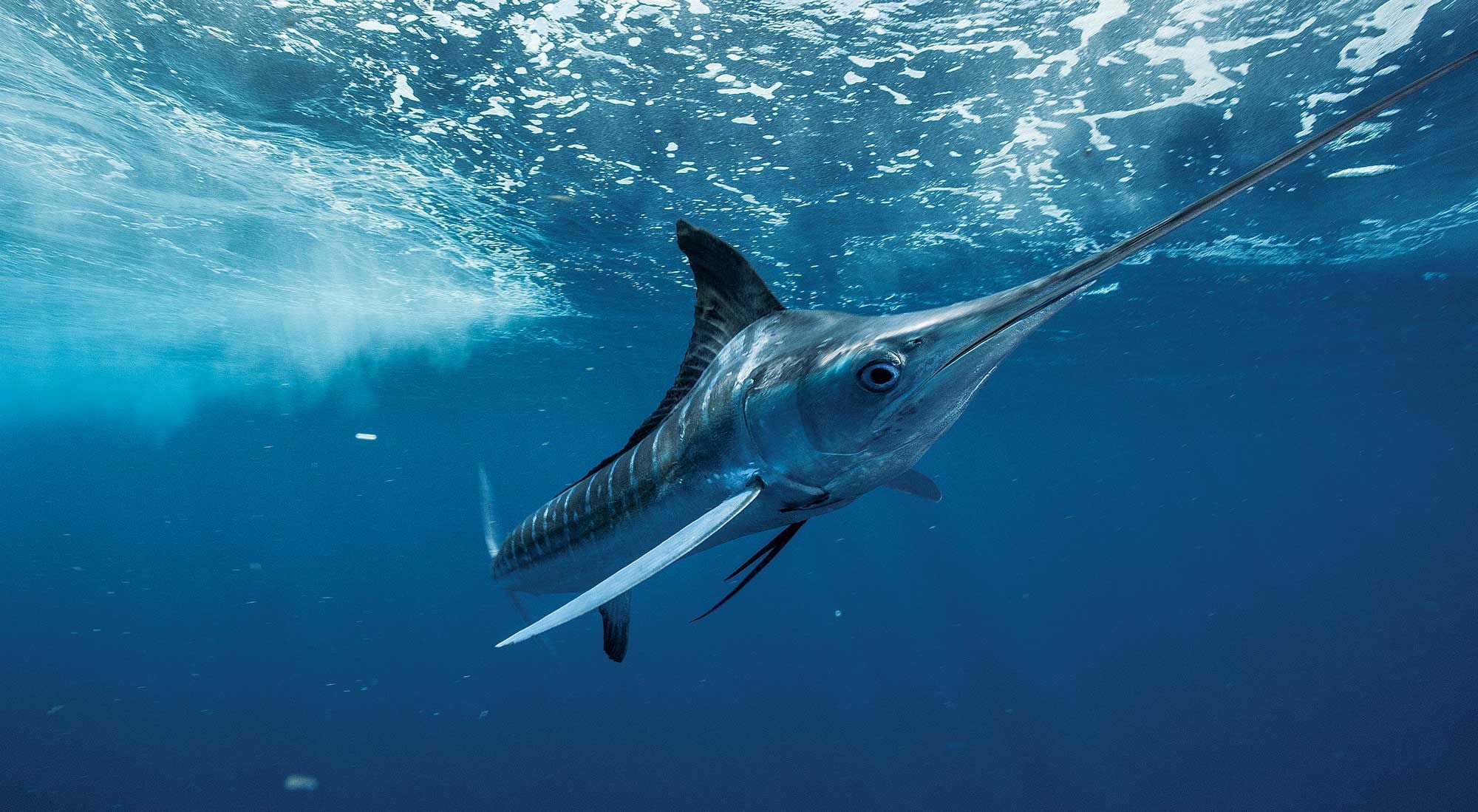
The dry season is the most reliable window for water-based activities. Visibility underwater is at its clearest from January through April, which makes those months ideal for snorkeling and diving off the coral reefs near Cap Cana and Bávaro Beach. A sea fishing tour works well year-round, but calmer morning seas in the dry season make the experience more comfortable.
One seasonal highlight that many visitors miss: humpback whale watching in Samaná Bay runs mid-January through early March. It’s a multi-hour add-on from Punta Cana, but U.S. News Travel confirms it’s one of the Dominican Republic’s most spectacular wildlife experiences. Our team recommends pairing it with a February stay for the best combination of whale activity and dry-season weather.
Activities by season:
- Dry season (Dec–Apr): Snorkeling, diving, whale watching (Jan–Mar), horseback riding on the beach, Saona Island day trips, dolphin encounters
- Shoulder months (May, Nov): Quieter excursions with smaller groups, cultural tours, Monkeyland visits, and zip-lining without the dry-season crowds
- Wet season (Jun–Oct): Beach days still happen — wet-season showers are typically short tropical bursts, not all-day rain. Morning excursions are the smart play; afternoons tend to bring the heaviest showers.
Quick packing notes by activity:
- Reef-safe sunscreen is mandatory year-round; the Dominican Republic has reef-protection guidelines in place.
- Snorkel gear: most resorts rent it, but bringing your own mask guarantees a proper fit.
- Lightweight rain jacket or packable poncho: worth it from May through November for afternoon showers.
Packing and health tips for every Punta Cana season
Dry season (December–April): Pack light, breathable clothing, a wide-brim hat, UV-protective swimwear, and reef-safe SPF 50+. Evenings can feel slightly cooler in January and February, so a light layer for dinner is useful.
Shoulder months (May, November): Add a compact rain jacket. Morning activities are almost always clear; afternoon showers arrive fast and leave fast. Humidity is higher than in the dry season, so moisture-wicking fabrics make a real difference.
Low season (June–October): Everything from the shoulder-month list, plus insect repellent with DEET or picaridin. Mosquito activity increases with rainfall. Keep a small first-aid kit with antihistamines and blister care for active excursion days.
Health checklist for all seasons:
- Confirm routine vaccinations are current (hepatitis A and typhoid are commonly recommended for the Dominican Republic; check with your doctor or a travel health clinic before departure).
- Drink bottled or filtered water; most resorts provide it, but carry a reusable bottle for excursions.
- Apply sunscreen every 90 minutes during beach days, not just at the start.
- Hydration matters more than most travelers expect in tropical heat; electrolyte packets are lightweight and worth packing.
Timing tip: Schedule snorkeling, fishing, and outdoor excursions before noon, especially from May through October. Afternoon thunderstorms are common and can cut a boat trip short. Morning light also makes underwater visibility noticeably better for photography.
How to choose the right time for your trip — our team’s advice
Our team uses a simple decision flow when advising travelers on Punta Cana timing: identify the single top priority first, then match it to a month range.
- Weather is your priority: Target January through March. February is the peak of the dry season, with the lowest rainfall and the most sunshine hours. Book 3–4 months ahead for good availability.
- Value is your priority: May or mid-to-late November. Rates are meaningfully lower than peak season, weather is still warm and mostly sunny, and the beaches are quieter. Book 6–8 weeks out.
- Activities drive your itinerary: February for whale watching plus beach time; April for water sports before the wet season; July for family excursions during school holidays.
- Budget is the top concern: September–October for the lowest prices, but only with comprehensive travel insurance and refundable bookings. This window is not for travelers who can’t absorb a disruption.
- Couples seeking a quieter experience: Late November into early December hits a sweet spot — the dry season is just beginning, prices haven’t fully spiked, and the beaches are far less crowded than January.
Booking tips from our team:
- Bundle your airport transfer with excursions at the time of booking. It’s easier to adjust one package than to coordinate separate vendors on arrival.
- For holiday windows (Christmas, New Year’s, spring break), lock in flights and rooms simultaneously. Waiting on one while securing the other often means losing both.
- Request refundable rates in writing, not just verbally at check-in. The policy confirmation email is what matters.
Pro Tip: Sign up for fare alerts on your target travel dates 3–4 months out. Flight prices to Punta Cana from major North American hubs tend to dip briefly after the initial holiday booking rush, usually in late January for spring break travel and in early October for December dates. Catching one of those windows can offset the cost of comprehensive travel insurance.
What our team hears from clients — and what actually works
When clients ask us about timing, the most common mistake we see is treating the dry season as a monolith. January and February are genuinely different from late April: rainfall is rising, crowds are thinning, and prices are already softening. Travelers who book late April instead of February often get a better rate with only a modest weather tradeoff.

The pattern we recommend most often for first-time visitors: book January or February for the full dry-season experience, or target May if the budget is the main constraint. For repeat visitors who already know the resort, late November is the move — warm water, quiet beaches, and rates that feel like a different destination.
Plan your Punta Cana trip with TravelSearch Guru

Picking the right month is only half the equation. Getting from Punta Cana International Airport to your resort without stress, and filling your days with excursions that actually match the season, is where the real planning work happens.
TravelSearch Guru handles both. Our team books airport transfers to Punta Cana resorts with flexible, refundable options that protect you if your flight is delayed or rerouted. We also curate excursions matched to your travel window: Saona Island day trips and snorkeling during the dry season, quieter Monkeyland and horseback riding tours during shoulder months, and morning-only bookings during the wet season to work around afternoon showers.

For travelers who want a full picture before committing to dates, our travel assessment walks through your priorities, budget, and activity list and returns a concrete recommendation. No generic advice — a specific month, a resort shortlist, and a transfer and excursion plan ready to book.
Sources
- Best Times to Visit Punta Cana | U.S. News Travel
- Punta Cana climate and weather by month | WeatherSpark
- Timeanddate
- Best Time to Visit Punta Cana | WhenShouldITravel
- World Meteorological Organization city climate and forecast data (Punta Cana)
- Best Time to Visit Punta Cana (Tripbase)
- The best time to visit Punta Cana for sunshine and savings | Yahoo Travel