
Cultural sensitivity in travel planning is the practice of recognizing, respecting, and adapting to the customs, values, and social norms of the destinations you visit. The tourism industry now treats cultural competency as a gold standard for service quality, with training programs designed to reduce cultural mishaps and improve traveler satisfaction. For anyone heading to the Caribbean or Mexico, this mindset is not optional. It is the difference between a surface-level resort stay and a genuinely enriching experience that leaves both you and the host community better off.
What is the role of cultural sensitivity in travel planning?
Cultural sensitivity is defined as recognizing differences without judgment, practicing empathy, and respecting local values to prevent social tensions. In travel, this translates to understanding that your destination has its own history, social codes, and community expectations that exist long before you arrive and will continue long after you leave.
The role of cultural sensitivity in travel planning goes beyond good manners. It shapes every decision you make, from which excursions you book to how you dress when you step off the resort grounds. In destinations like the Dominican Republic, Jamaica, or the Yucatán Peninsula in Mexico, local communities interact with millions of visitors each year. A single misstep, such as photographing a religious ceremony without permission or dismissing local food customs, can damage trust between visitors and residents in ways that take years to repair.
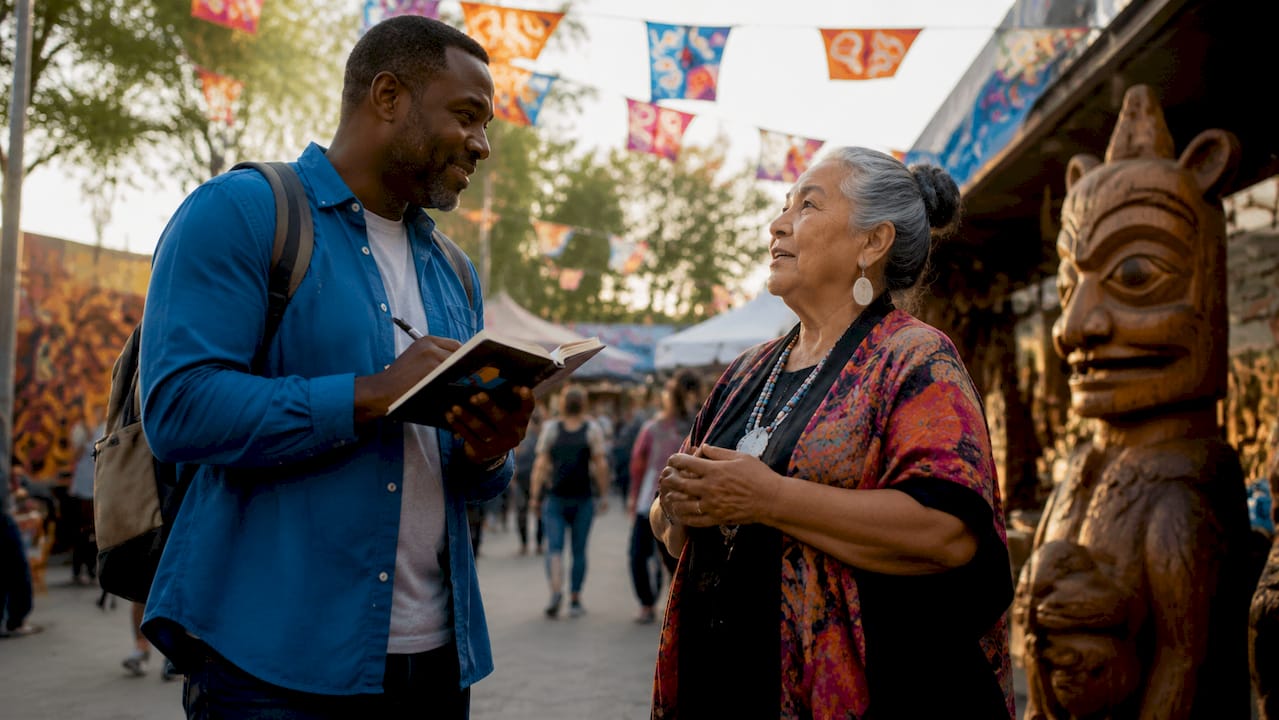
Cultural competency is also a developable skill. Ongoing self-reflection on biases helps travelers move from simply consuming a destination to genuinely connecting with it. That shift produces better memories, deeper relationships with local guides, and a travel experience that no all-inclusive menu can replicate.
How does cultural awareness improve your trip and support local communities?
Cultural awareness in travel creates a direct exchange of value between visitors and host communities. When travelers arrive prepared, locals feel respected rather than observed. That respect opens doors to authentic interactions that stay with you far longer than a beach photo.
The mutual benefits are concrete:
- Deeper personal experiences. Travelers who learn even basic greetings in Spanish or Haitian Creole are consistently welcomed with greater warmth. At resorts in Punta Cana or Cancún, staff notice and respond to guests who show genuine curiosity about local traditions.
- Economic support for residents. Choosing locally owned restaurants, artisan markets, and community-run tours keeps money inside the destination rather than funneling it exclusively to international operators.
- Preservation of local traditions. When visitors treat cultural practices as something to witness respectfully rather than consume for content, communities are more willing to share those practices openly over time.
- Avoiding cultural commodification. Resorts in Los Cabos and Riviera Maya have faced criticism when cultural performances are stripped of context and packaged purely as entertainment. Travelers who understand this dynamic push back by seeking community-endorsed excursions rather than operator-marketed spectacles.
Pro Tip: Before booking any cultural excursion in Mexico or the Caribbean, check whether the operator works directly with the local community or simply profits from their traditions. Ask your travel planner directly.
Tourism companies that invest in cultural competency also see better guest loyalty and higher ratings. That is not a coincidence. Guests who feel their values align with a destination’s approach to tourism return, recommend, and spend more.
What cultural norms should you know before visiting the Caribbean and Mexico?
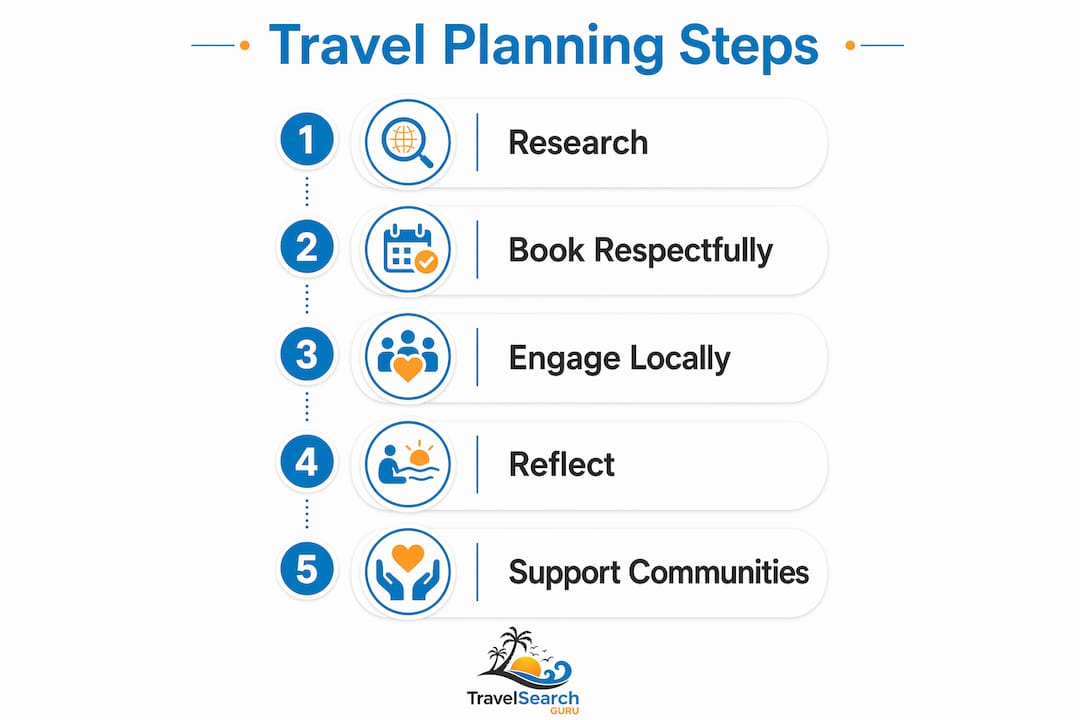
Preparation combining cultural knowledge with logistical planning produces richer travel experiences than surface-level sightseeing alone. The Caribbean and Mexico each contain dozens of distinct cultural communities, but several norms apply broadly across popular resort destinations.
Here are the key cultural considerations to research and respect before your trip:
- Greetings and personal interaction. In Mexico and across much of the Caribbean, greetings are warm and physical. A handshake, a light embrace, or a cheek kiss is standard between acquaintances. Skipping a greeting or rushing past staff without acknowledgment reads as cold or dismissive.
- Dress codes at religious and community sites. Resorts in Cancún, Tulum, and Punta Cana are steps away from Catholic churches, Mayan ruins, and local markets. Shoulders and knees should be covered when visiting these spaces. Arriving in beachwear signals that you view the site as a backdrop rather than a place of meaning.
- Photography and privacy. Asking permission before photographing people, especially in markets, during ceremonies, or in rural communities, is non-negotiable. In Jamaica and Haiti, photographing individuals without consent can cause genuine offense and, in some communities, is considered a serious violation of privacy.
- Food and drink customs. In Mexico, meals are social events. Rushing through lunch or refusing offered food without explanation can come across as disrespectful. In many Caribbean communities, accepting a small offering of food or drink from a host is a sign of trust.
- Language basics. Spanish is the primary language across Mexico and much of the Caribbean. Learning phrases like gracias, por favor, and disculpe signals respect. In Jamaica, acknowledging Patois expressions with a smile goes a long way. In Haiti, a few words of Haitian Creole are received with genuine appreciation.
- Resort and public space behavior. Many resort areas in the Dominican Republic and Mexico border residential neighborhoods. Loud behavior, public intoxication, or treating local spaces as extensions of the resort experience creates friction with residents who live and work there year-round.
Researching these norms through official tourism boards, local travel experts, and destination-specific planning resources before you travel puts you ahead of the vast majority of visitors.
How do you integrate cultural sensitivity into your travel planning and behavior?
Culturally sensitive travel planning requires action before you pack and discipline once you arrive. The strategies below apply directly to Caribbean and Mexican resort trips.
Before you leave home
Research is the foundation. Spend time on the official tourism websites for Mexico, Jamaica, the Dominican Republic, or whichever destination you are visiting. Read traveler accounts from people who engaged meaningfully with local communities, not just resort reviews. Learn 10–15 phrases in the local language. Understand the country’s history, including colonial history, which shapes how locals relate to foreign visitors today.
Pro Tip: Use Travelsearch’s travel assessment tool to identify destination-specific cultural considerations before you finalize your itinerary. Our team builds cultural context into every recommendation.
Choosing the right excursions
The excursion you book is one of the most culturally significant decisions you make. Operators who engage host communities as active partners rather than passive backdrops produce experiences that are both more authentic and more ethical. In the Yucatán, this means choosing Mayan-led tours of cenotes and archaeological sites over generic bus trips. In Jamaica, it means hiring local guides in Blue Mountains rather than booking through operators with no community ties.
Here is a comparison of two planning approaches:
| Approach | What it looks like | Cultural outcome |
|---|---|---|
| Operator-led, no community ties | Generic cultural show at resort, no local involvement | Culture commodified, revenue leaves community |
| Community-endorsed excursion | Local guide leads tour, community sets terms | Authentic exchange, economic benefit stays local |
| Self-directed with no research | Wandering without context or language skills | Risk of offense, missed depth of experience |
| Travelsearch-curated itinerary | Vetted operators, cultural briefing included | Respectful engagement, richer experience |
On the ground
Flexibility matters as much as preparation. Leave unstructured time in your itinerary to follow a local recommendation, linger at a market, or accept an invitation to a community event. Structured resort schedules are comfortable, but the most memorable travel moments in places like Holguín, Cuba or Oaxaca, Mexico come from unplanned encounters that only happen when you are present and open.
Observe before you act. Watch how locals interact in a space before you engage. This applies to markets, religious sites, and community gatherings alike. Respectful behavior opens doors to communities and leads to authentic interactions that outlast the trip itself.
Cultural sensitivity in practice: Caribbean and Mexican resort examples
Several resorts in the Caribbean and Mexico have built cultural awareness directly into their guest experience. These examples show what good practice looks like and how travelers can contribute positively.
Resort programs that work
- Xcaret Park, Riviera Maya, Mexico. Xcaret integrates pre-Columbian history, Mexican folk art, and regional cuisine into its programming. Guests engage with cultural content that is created and presented by Mexican artists and historians, not repackaged for foreign consumption.
- Iberostar Resorts, Dominican Republic. Iberostar’s Wave of Change program includes community investment and local hiring practices designed to keep tourism revenue inside destination communities. Guests who choose this resort are supporting a model that treats cultural respect as a business value.
- Sandals Resorts, Jamaica. Sandals partners with local artisans and cultural organizations to offer guests access to authentic Jamaican craft, music, and culinary traditions. The program is imperfect, but it represents a deliberate effort to connect guests with Jamaican identity rather than a generic Caribbean aesthetic.
| Resort | Destination | Cultural program | Community benefit |
|---|---|---|---|
| Xcaret Park | Riviera Maya, Mexico | Mexican history and folk art programming | Local artists and historians lead content |
| Iberostar | Dominican Republic | Wave of Change sustainability program | Local hiring, community investment |
| Sandals | Jamaica | Artisan and cultural partnership program | Revenue to local craftspeople |
Travelers can contribute positively by choosing these programs over passive entertainment, tipping local guides directly, purchasing from artisan markets rather than resort gift shops, and asking questions that show genuine interest in local life.
Destination specialists play a direct role in connecting travelers with these programs. Our team at Travelsearch vets excursion operators specifically for community ties and cultural integrity before recommending them to guests.
Key takeaways
Cultural sensitivity is the single most important planning factor for travelers who want genuine connection with Caribbean and Mexican destinations rather than a transactional resort experience.
| Point | Details |
|---|---|
| Define it before you go | Cultural sensitivity means respecting local values without judgment, not just following a checklist of rules. |
| Research destination-specific norms | Greetings, dress codes, photography rules, and language basics vary by country and community. |
| Choose community-endorsed excursions | Operators with direct community ties produce authentic experiences and keep revenue local. |
| Combine structure with flexibility | Planned itineraries work best when they leave room for unscripted local encounters. |
| Use expert planning resources | Travelsearch’s curated services include cultural context, not just logistics. |
Why cultural sensitivity is more than a travel trend
We have planned and taken trips across the Caribbean and Mexico for years, and the most common mistake we see travelers make is treating cultural sensitivity as a box to check rather than a mindset to carry. They read a list of dos and don’ts, nod along, and then spend the entire trip inside the resort bubble.
The uncomfortable truth is that a checklist approach to cultural respect is almost as dismissive as no approach at all. It signals that you are managing risk rather than showing genuine curiosity. Host communities notice the difference immediately. A traveler who asks a local guide about their family, who lingers at a market stall to learn how a craft is made, or who declines to photograph a ceremony out of genuine respect rather than rule-following receives a completely different quality of experience.
Cultural exchange is reciprocal. You are not just a visitor absorbing a destination. You bring your own culture, your own stories, and your own perspective. Sharing those things appropriately, when invited, creates the kind of mutual understanding that makes travel worth doing.
We also believe strongly that host communities have the right to set the terms of engagement. If a community in Oaxaca or a village near Punta Cana chooses not to open certain traditions to visitors, that decision deserves full respect. The best travelers we have worked with understand that access is a privilege, not a right. That humility, more than any amount of pre-trip research, is what separates a respectful traveler from a tourist.
Cultural sensitivity shapes better travel memories because it requires you to be present, curious, and honest about your own assumptions. That is hard work. It is also the most rewarding part of any trip.
— Our Team at Travelsearch
Plan your next culturally aware trip with Travelsearch
Travelsearch builds cultural context into every itinerary we create for Caribbean and Mexican destinations. Whether you are heading to the Riviera Maya, the Dominican Republic, or Jamaica, our team matches you with vetted excursion operators, local guides, and accommodations that respect the communities they operate in.
Start with a travel assessment to identify your destination’s cultural landscape before you book. From there, our team handles airport transfers, resort logistics, and cultural excursions that connect you with authentic local experiences. Every detail is managed with both your comfort and the host community’s dignity in mind. Explore our full range of Caribbean and Mexico destinations and let us help you plan a trip worth remembering.
FAQ
What does cultural sensitivity mean in travel?
Cultural sensitivity in travel means recognizing and respecting the customs, values, and social norms of your destination without judgment. It requires empathy, preparation, and a willingness to adapt your behavior to the expectations of the host community.
Why is cultural awareness important when visiting the Caribbean or Mexico?
Cultural awareness prevents misunderstandings, builds trust with local communities, and produces more authentic travel experiences. Single missteps around photography, dress, or social etiquette can damage visitor-community relationships and reduce the quality of your trip.
How do I find culturally respectful excursions in Mexico or the Caribbean?
Seek operators who work directly with local communities and hold community endorsements rather than relying solely on operator marketing. Traditional cultural excursions vetted by destination specialists are the most reliable option for authentic, respectful engagement.
What are the most important cultural norms to know before visiting Cancún or Punta Cana?
Cover your shoulders and knees at religious sites, ask permission before photographing people, learn basic Spanish greetings, and avoid treating local neighborhoods as extensions of the resort. These practices signal respect and open doors to genuine community interaction.
Does cultural sensitivity actually improve the travel experience?
Yes. Tourism companies that prioritize cultural competency report better guest loyalty and higher satisfaction ratings. Travelers who engage respectfully consistently describe deeper, more memorable experiences than those who stay within the resort bubble.